Cybersecurity researchers have detailed a malware campaign that’s targeting Docker environments with a previously undocumented technique to mine cryptocurrency.
The activity cluster, per Darktrace and Cado Security, represents a shift from other cryptojacking campaigns that directly deploy miners like XMRig to illicitly profit off the compute resources.
This involves deploying a malware strain
Author: VanshTheHacker
-

Docker Malware Exploits Teneo Web3 Node to Earn Crypto via Fake Heartbeat Signals
-
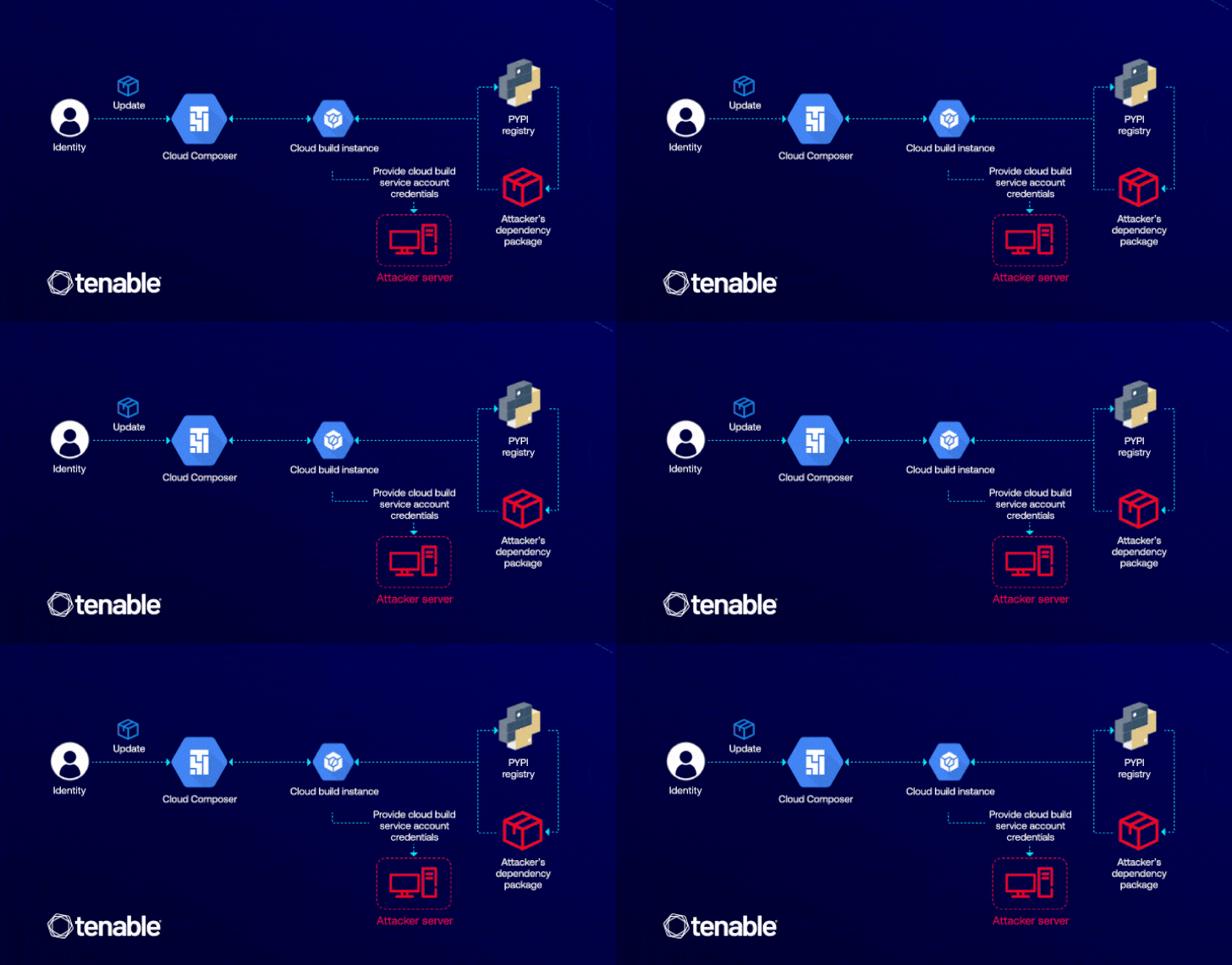
GCP Cloud Composer Bug Let Attackers Elevate Access via Malicious PyPI Packages
Cybersecurity researchers have detailed a now-patched vulnerability in Google Cloud Platform (GCP) that could have enabled an attacker to elevate their privileges in the Cloud Composer workflow orchestration service that’s based on Apache Airflow.
“This vulnerability lets attackers with edit permissions in Cloud Composer to escalate their access to the default Cloud Build service account, which -

5 Major Concerns With Employees Using The Browser
As SaaS and cloud-native work reshape the enterprise, the web browser has emerged as the new endpoint. However, unlike endpoints, browsers remain mostly unmonitored, despite being responsible for more than 70% of modern malware attacks.
Keep Aware’s recent State of Browser Security report highlights major concerns security leaders face with employees using the web browser for most of their work. -

Phishers Exploit Google Sites and DKIM Replay to Send Signed Emails, Steal Credentials
In what has been described as an “extremely sophisticated phishing attack,” threat actors have leveraged an uncommon approach that allowed bogus emails to be sent via Google’s infrastructure and redirect message recipients to fraudulent sites that harvest their credentials.
“The first thing to note is that this is a valid, signed email – it really was sent from no-reply@google.com,” Nick Johnson -

Microsoft Secures MSA Signing with Azure Confidential VMs Following Storm-0558 Breach
Microsoft on Monday announced that it has moved the Microsoft Account (MSA) signing service to Azure confidential virtual machines (VMs) and that it’s also in the process of migrating the Entra ID signing service as well.
The disclosure comes about seven months after the tech giant said it completed updates to Microsoft Entra ID and MS for both public and United States government clouds to -

Kimsuky Exploits BlueKeep RDP Vulnerability to Breach Systems in South Korea and Japan
Cybersecurity researchers have flagged a new malicious campaign related to the North Korean state-sponsored threat actor known as Kimsuky that exploits a now-patched vulnerability impacting Microsoft Remote Desktop Services to gain initial access.
The activity has been named Larva-24005 by the AhnLab Security Intelligence Center (ASEC).
“In some systems, initial access was gained through -
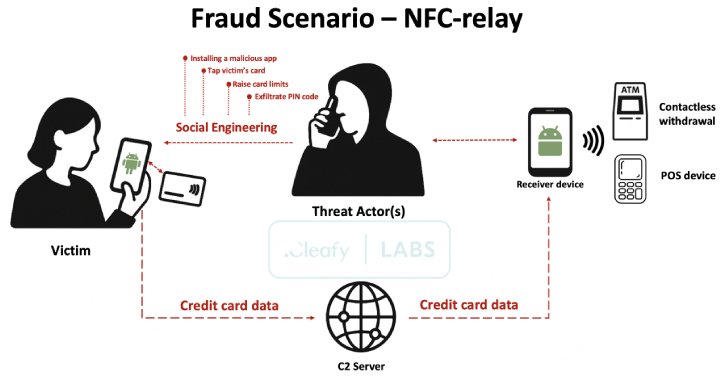
SuperCard X Android Malware Enables Contactless ATM and PoS Fraud via NFC Relay Attacks
A new Android malware-as-a-service (MaaS) platform named SuperCard X can facilitate near-field communication (NFC) relay attacks, enabling cybercriminals to conduct fraudulent cashouts.
The active campaign is targeting customers of banking institutions and card issuers in Italy with an aim to compromise payment card data, fraud prevention firm Cleafy said in an analysis. There is evidence to -

5 Reasons Device Management Isn’t Device Trust
The problem is simple: all breaches start with initial access, and initial access comes down to two primary attack vectors – credentials and devices. This is not news; every report you can find on the threat landscape depicts the same picture.
The solution is more complex. For this article, we’ll focus on the device threat vector. The risk they pose is significant, which is why device
-

⚡ THN Weekly Recap: iOS Zero-Days, 4Chan Breach, NTLM Exploits, WhatsApp Spyware & More
Can a harmless click really lead to a full-blown cyberattack?
Surprisingly, yes — and that’s exactly what we saw in last week’s activity. Hackers are getting better at hiding inside everyday actions: opening a file, running a project, or logging in like normal. No loud alerts. No obvious red flags. Just quiet entry through small gaps — like a misconfigured pipeline, a trusted browser feature, -

Hackers Abuse Russian Bulletproof Host Proton66 for Global Attacks and Malware Delivery
Cybersecurity researchers have disclosed a surge in “mass scanning, credential brute-forcing, and exploitation attempts” originating from IP addresses associated with a Russian bulletproof hosting service provider named Proton66.
The activity, detected since January 8, 2025, targeted organizations worldwide, according to a two-part analysis published by Trustwave SpiderLabs last week.
“Net