A new study has found that multiple cloud-based password managers, including Bitwarden, Dashlane, and LastPass, are susceptible to password recovery attacks under certain conditions.
“The attacks range in severity from integrity violations to the complete compromise of all vaults in an organization,” researchers Matteo Scarlata, Giovanni Torrisi, Matilda Backendal, and Kenneth G. Paterson said.
Author: VanshTheHacker
-
Study Uncovers 25 Password Recovery Attacks in Major Cloud Password Managers
-
Weekly Recap: Outlook Add-Ins Hijack, 0-Day Patches, Wormable Botnet & AI Malware
This week’s recap shows how small gaps are turning into big entry points. Not always through new exploits, often through tools, add-ons, cloud setups, or workflows that people already trust and rarely question.
Another signal: attackers are mixing old and new methods. Legacy botnet tactics, modern cloud abuse, AI assistance, and supply-chain exposure are being used side by side, whichever path -

Safe and Inclusive E‑Society: How Lithuania Is Bracing for AI‑Driven Cyber Fraud
Presentation of the KTU Consortium Mission ‘A Safe and Inclusive Digital Society’ at the Innovation Agency event ‘Innovation Breakfast: How Mission-Oriented Science and Innovation Programmes Will Address Societal Challenges’.
Technologies are evolving fast, reshaping economies, governance, and daily life. Yet, as innovation accelerates, so do digital risks. Technological change is no longer
-

New Chrome Zero-Day (CVE-2026-2441) Under Active Attack — Patch Released
Google on Friday released security updates for its Chrome browser to address a security flaw that it said has been exploited in the wild.
The high-severity vulnerability, tracked as CVE-2026-2441 (CVSS score: 8.8), has been described as a use-after-free bug in CSS. Security researcher Shaheen Fazim has been credited with discovering and reporting the shortcoming on February 11, 2026.
“Use after -
Microsoft Discloses DNS-Based ClickFix Attack Using Nslookup for Malware Staging
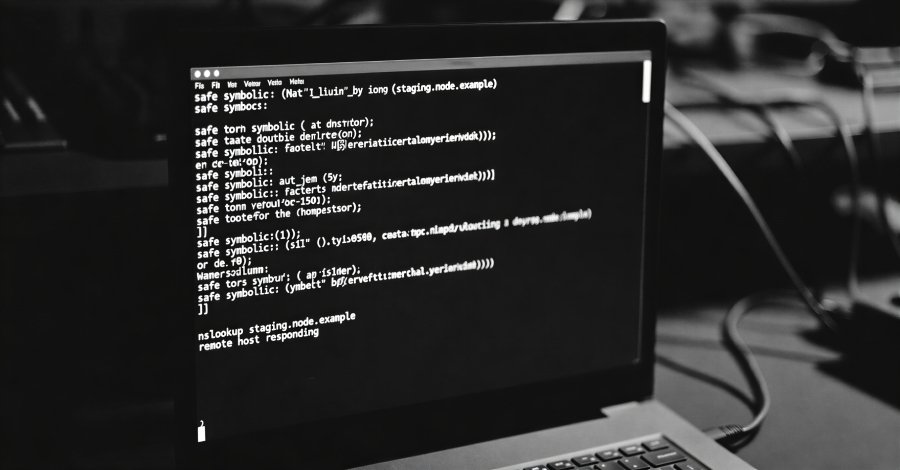
Microsoft has disclosed details of a new version of the ClickFix social engineering tactic in which the attackers trick unsuspecting users into running commands that carry out a Domain Name System (DNS) lookup to retrieve the next-stage payload.
Specifically, the attack relies on using the “nslookup” (short for nameserver lookup) command to execute a custom DNS lookup triggered via the Windows -

Google Ties Suspected Russian Actor to CANFAIL Malware Attacks on Ukrainian Orgs
A previously undocumented threat actor has been attributed to attacks targeting Ukrainian organizations with malware known as CANFAIL.
Google Threat Intelligence Group (GTIG) described the hack group as possibly affiliated with Russian intelligence services. The threat actor is assessed to have targeted defense, military, government, and energy organizations within the Ukrainian regional and -
Google Links China, Iran, Russia, North Korea to Coordinated Defense Sector Cyber Operations
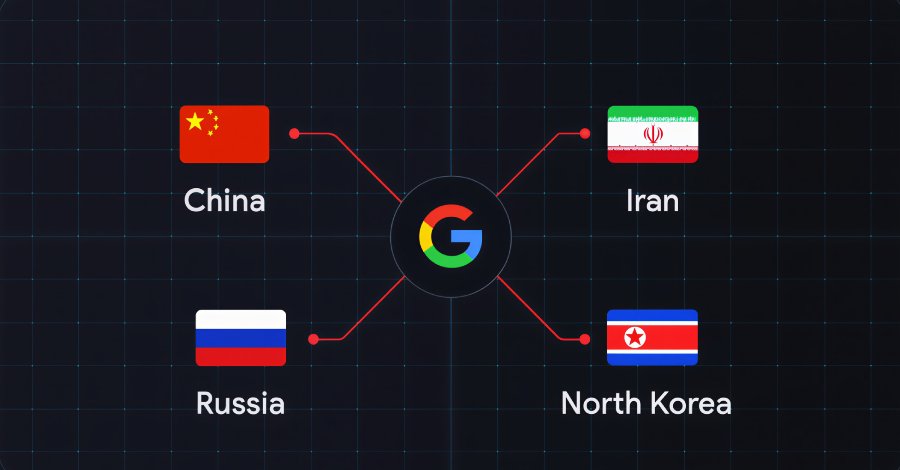
Several state-sponsored actors, hacktivist entities, and criminal groups from China, Iran, North Korea, and Russia have trained their sights on the defense industrial base (DIB) sector, according to findings from Google Threat Intelligence Group (GTIG).
The tech giant’s threat intelligence division said the adversarial targeting of the sector is centered around four key themes: striking defense -

UAT-9921 Deploys VoidLink Malware to Target Technology and Financial Sectors
A previously unknown threat actor tracked as UAT-9921 has been observed leveraging a new modular framework called VoidLink in its campaigns targeting the technology and financial services sectors, according to findings from Cisco Talos.
“This threat actor seems to have been active since 2019, although they have not necessarily used VoidLink over the duration of their activity,” researchers Nick -

Malicious Chrome Extensions Caught Stealing Business Data, Emails, and Browsing History
Cybersecurity researchers have discovered a malicious Google Chrome extension that’s designed to steal data associated with Meta Business Suite and Facebook Business Manager.
The extension, named CL Suite by @CLMasters (ID: jkphinfhmfkckkcnifhjiplhfoiefffl), is marketed as a way to scrape Meta Business Suite data, remove verification pop-ups, and generate two-factor authentication (2FA) codes. -
npm’s Update to Harden Their Supply Chain, and Points to Consider
In December 2025, in response to the Sha1-Hulud incident, npm completed a major authentication overhaul intended to reduce supply-chain attacks. While the overhaul is a solid step forward, the changes don’t make npm projects immune from supply-chain attacks. npm is still susceptible to malware attacks – here’s what you need to know for a safer Node community.
Let’s start with the original