The U.S. Department of Justice (DoJ) on Thursday announced the sentencing of two cybersecurity professionals to four years each in prison for their role in facilitating BlackCat ransomware attacks in 2023.
Ryan Goldberg, 40, of Georgia, and Kevin Martin, 36, of Texas, were accused of deploying the ransomware against multiple victims located throughout the U.S. between April and December 2023.
Author: VanshTheHacker
-

Two Cybersecurity Professionals Get 4-Year Sentences in BlackCat Ransomware Attacks
-
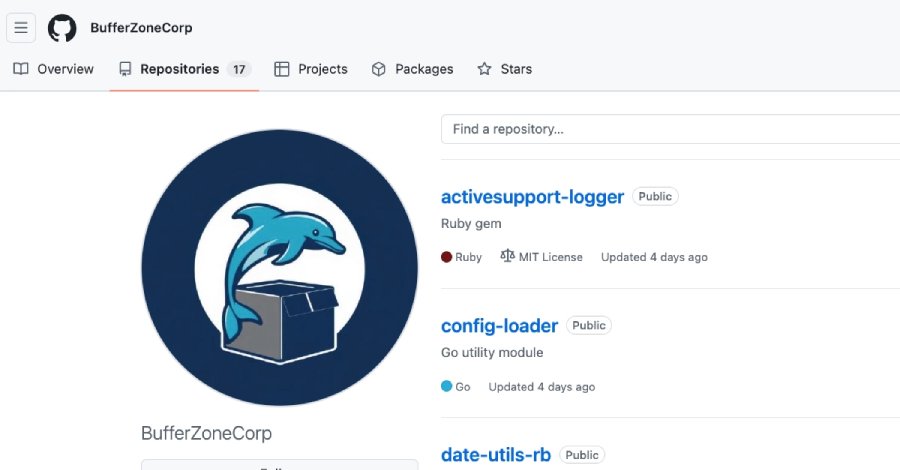
Poisoned Ruby Gems and Go Modules Exploit CI Pipelines for Credential Theft
A new software supply chain attack campaign has been observed using sleeper packages as a conduit to subsequently push malicious payloads that enabled credential theft, GitHub Actions tampering, and SSH persistence.
The activity has been attributed to the GitHub account “BufferZoneCorp,” which has published a set of repositories that are associated with malicious Ruby gems and Go modules. As of -

PyTorch Lightning and Intercom-client Hit in Supply Chain Attacks to Steal Credentials
In yet another software supply chain attack, threat actors have managed to compromise the popular Python package Lightning to push two malicious versions to conduct credential theft.
According to Aikido Security, OX Security, Socket, and StepSecurity, the two malicious versions are versions 2.6.2 and 2.6.3, both of which were published on April 30, 2026. The campaign is assessed to be an -
ThreatsDay Bulletin: SMS Blaster Busts, OpenEMR Flaws, 600K Roblox Hacks and 25 More Stories
The internet is noisy this week. We are seeing some wild new tactics, like people using fake cell towers to send scam texts, while some developers are accidentally downloading tools that peek into their private files during a simple install. It is definitely a busy time to be online.
Security is always a moving target. Millions of servers are currently sitting online without any passwords, and -

New Python Backdoor Uses Tunneling Service to Steal Browser and Cloud Credentials
Cybersecurity researchers have disclosed details of a stealthy Python-based backdoor framework called DEEP#DOOR that comes with capabilities to establish persistent access and harvest a wide range of sensitive information from compromised hosts.
“The intrusion chain begins with execution of a batch script (‘install_obf.bat’) that disables Windows security controls, dynamically extracts an -
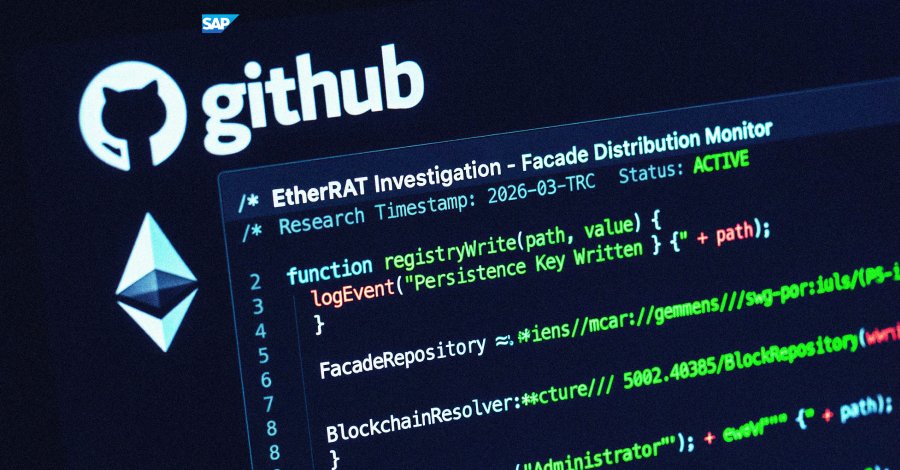
EtherRAT Distribution Spoofing Administrative Tools via GitHub Facades
Intro
A sophisticated, high-resilience malicious campaign was identified by Atos Threat Research Center (TRC) in March 2026. This operation specifically targets the high-privilege professional accounts of enterprise administrators, DevOps engineers, and security analysts by impersonating administrative utilities they rely on for daily operations. By integrating Search Engine Order (SEO) -

New Linux ‘Copy Fail’ Vulnerability Enables Root Access on Major Distributions
Cybersecurity researchers have disclosed details of a Linux local privilege escalation (LPE) flaw that could allow an unprivileged local user to obtain root.
The high-severity vulnerability tracked as CVE-2026-31431 (CVSS score: 7.8) has been codenamed Copy Fail by Xint.io and Theori.
“An unprivileged local user can write four controlled bytes into the page cache of any readable file on a Linux -

Google Fixes CVSS 10 Gemini CLI CI RCE and Cursor Flaws Enable Code Execution
Google has addressed a maximum severity security flaw in Gemini CLI — the “@google/gemini-cli” npm package and the “google-github-actions/run-gemini-cli” GitHub Actions workflow — that could have allowed attackers to execute arbitrary commands on host systems.
“The vulnerability allowed an unprivileged external attacker to force their own malicious content to load as Gemini configuration,” -

Webinar: How to Automate Exposure Validation to Match the Speed of AI Attacks
In February 2026, researchers uncovered a shift that completely changed the game: threat actors are now using custom AI setups to automate attacks directly into the kill chain.
We aren’t just talking about AI writing better phishing emails anymore. We’re talking about autonomous agents mapping Active Directory and seizing Domain Admin credentials in minutes.
The problem? Most defensive workflows -
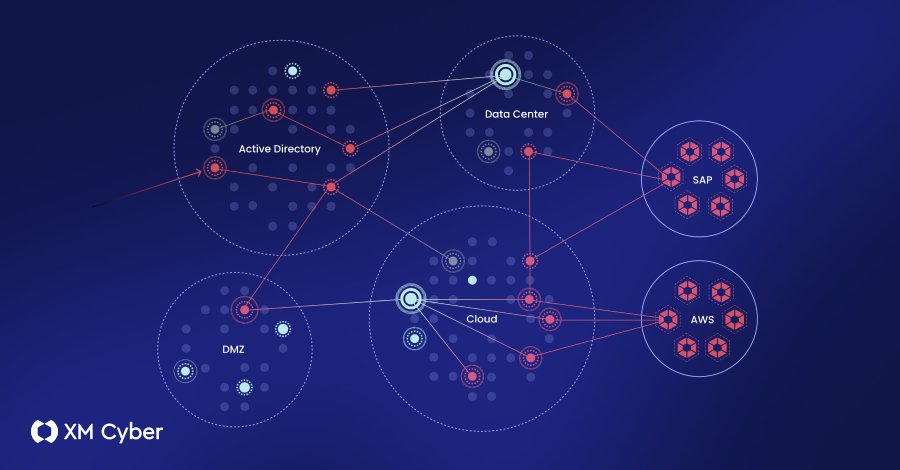
What to Look for in an Exposure Management Platform (And What Most of Them Get Wrong)
Every security team has a version of the same story. The quarter ends with hundreds of vulnerabilities closed. The dashboards are bursting with green. Then someone in a leadership meeting asks: “So, are we actually safer now?”
Crickets.
The room goes quiet because an honest answer requires context – which is something that patch counts and CVSS scores were never designed to provide. Exposure