


Cybersecurity researchers have discovered a new ransomware strain dubbed HybridPetya that resembles the notorious Petya/NotPetya malware, while also incorporating the ability to bypass the Secure Boot mechanism in Unified Extensible Firmware Interface (UEFI) systems using a now-patched vulnerability disclosed earlier this year.
Slovakian cybersecurity company ESET said the samples were uploaded
Category: Data Breaches
Your blog category
-

New HybridPetya Ransomware Bypasses UEFI Secure Boot With CVE-2024-7344 Exploit
-

Critical CVE-2025-5086 in DELMIA Apriso Actively Exploited, CISA Issues Warning
The U.S. Cybersecurity and Infrastructure Security Agency (CISA) on Thursday added a critical security flaw impacting Dassault Systèmes DELMIA Apriso Manufacturing Operations Management (MOM) software to its Known Exploited Vulnerabilities (KEV) catalog, based on evidence of active exploitation.
The vulnerability, tracked as CVE-2025-5086, carries a CVSS score of 9.0 out of 10.0. According to -

Cloud-Native Security in 2025: Why Runtime Visibility Must Take Center Stage
The security landscape for cloud-native applications is undergoing a profound transformation. Containers, Kubernetes, and serverless technologies are now the default for modern enterprises, accelerating delivery but also expanding the attack surface in ways traditional security models can’t keep up with.
As adoption grows, so does complexity. Security teams are asked to monitor sprawling hybrid -

Google Pixel 10 Adds C2PA Support to Verify AI-Generated Media Authenticity
Google on Tuesday announced that its new Google Pixel 10 phones support the Coalition for Content Provenance and Authenticity (C2PA) standard out of the box to verify the origin and history of digital content.
To that end, support for C2PA’s Content Credentials has been added to Pixel Camera and Google Photos apps for Android. The move, Google said, is designed to further digital media -

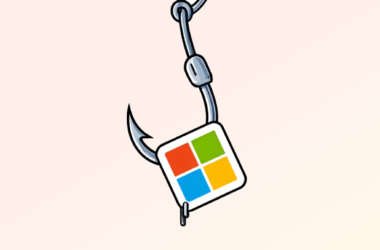
Senator Wyden Urges FTC to Probe Microsoft for Ransomware-Linked Cybersecurity Negligence
U.S. Senator Ron Wyden has called on the Federal Trade Commission (FTC) to probe Microsoft and hold it responsible for what he called “gross cybersecurity negligence” that enabled ransomware attacks on U.S. critical infrastructure, including against healthcare networks.
“Without timely action, Microsoft’s culture of negligent cybersecurity, combined with its de facto monopolization of the -

Cracking the Boardroom Code: Helping CISOs Speak the Language of Business
CISOs know their field. They understand the threat landscape. They understand how to build a strong and cost-effective security stack. They understand how to staff out their organization. They understand the intricacies of compliance. They understand what it takes to reduce risk. Yet one question comes up again and again in our conversations with these security leaders: how do I make the impact
-

SonicWall SSL VPN Flaw and Misconfigurations Actively Exploited by Akira Ransomware Hackers
Threat actors affiliated with the Akira ransomware group have continued to target SonicWall devices for initial access.
Cybersecurity firm Rapid7 said it observed a spike in intrusions involving SonicWall appliances over the past month, particularly following reports about renewed Akira ransomware activity since late July 2025.
SonicWall subsequently revealed the SSL VPN activity aimed at its -

Fake Madgicx Plus and SocialMetrics Extensions Are Hijacking Meta Business Accounts
Cybersecurity researchers have disclosed two new campaigns that are serving fake browser extensions using malicious ads and fake websites to steal sensitive data.
The malvertising campaign, per Bitdefender, is designed to push fake “Meta Verified” browser extensions named SocialMetrics Pro that claim to unlock the blue check badge for Facebook and Instagram profiles. At least 37 malicious ads -

CHILLYHELL macOS Backdoor and ZynorRAT RAT Threaten macOS, Windows, and Linux Systems
Cybersecurity researchers have discovered two new malware families, including a modular Apple macOS backdoor called CHILLYHELL and a Go-based remote access trojan (RAT) named ZynorRAT that can target both Windows and Linux systems.
According to an analysis from Jamf Threat Labs, ChillyHell is written in C++ and is developed for Intel architectures.
CHILLYHELL is the name assigned to a malware -

Microsoft Fixes 80 Flaws — Including SMB PrivEsc and Azure CVSS 10.0 Bugs
Microsoft on Tuesday addressed a set of 80 security flaws in its software, including one vulnerability that has been disclosed as publicly known at the time of release.
Of the 80 vulnerabilities, eight are rated Critical and 72 are rated Important in severity. None of the shortcomings has been exploited in the wild as a zero-day. Like last month, 38 of the disclosed flaws are related to